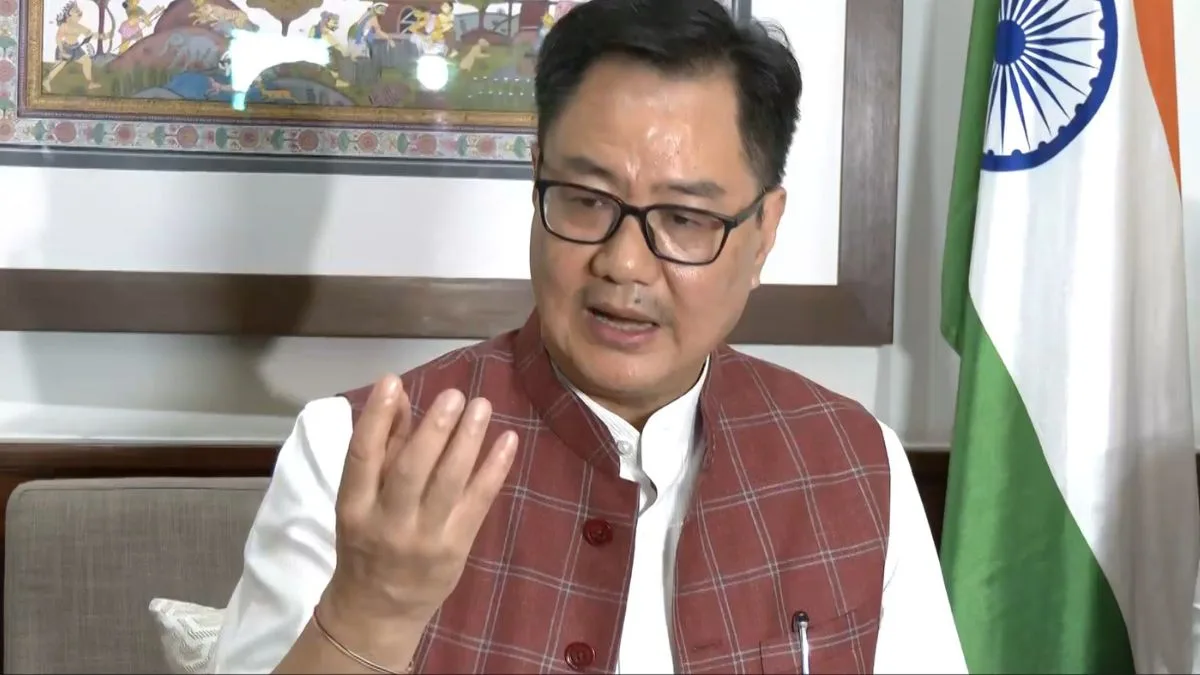
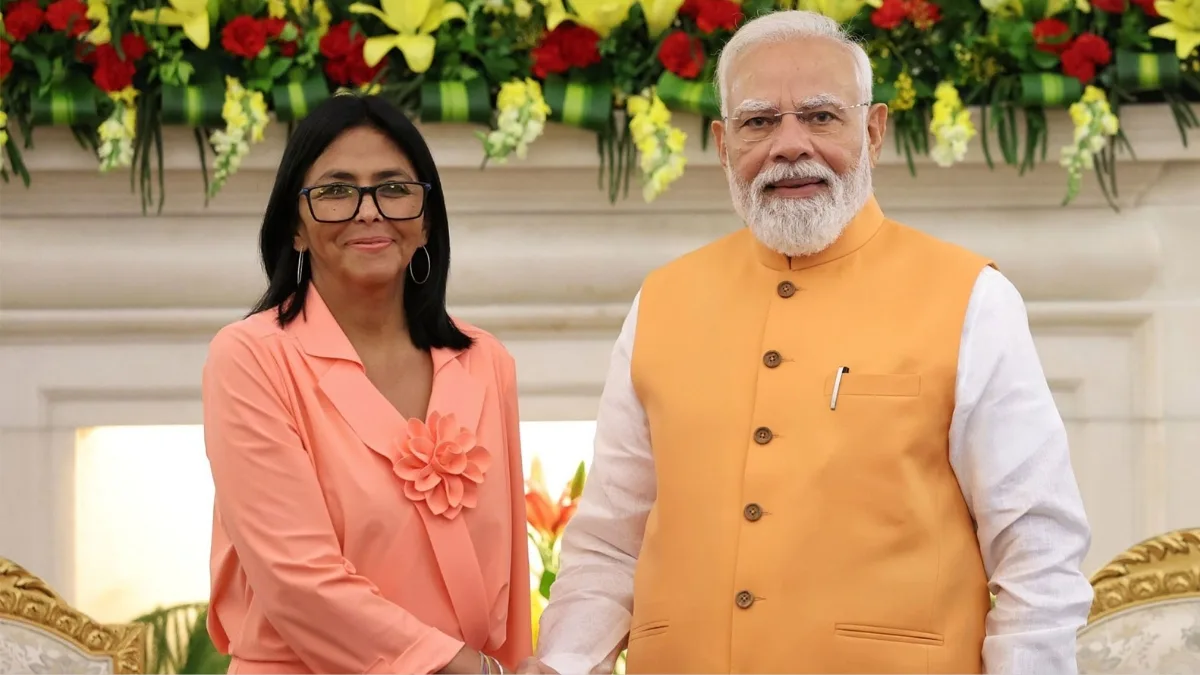
Union Parliamentary Affairs Minister Kiren Rijiju on Saturday disclosed that a recommendation had been made to exclude the Prime Minister from the ambit of the contentious removal bill, but Prime Minister Narendra Modi rejected the proposal.
“PM Modi told the cabinet that the recommendation was to keep the Prime Minister out of this bill, but he did not agree. PM Modi refused to grant an exemption to the Prime Minister. The PM is also a citizen, and he should not enjoy special protection,” Rijiju told a news agency.
Advertisement
Earlier this week, Union Home Minister Amit Shah tabled three bills in the Lok Sabha: The Constitution (One Hundred and Thirtieth Amendment) Bill, 2025; the Government of Union Territories (Amendment) Bill, 2025; and the Jammu and Kashmir Reorganisation (Amendment) Bill, 2025.
The amendments provide a legal framework to remove the Prime Minister, Chief Ministers, or ministers who are arrested and kept in custody for 30 consecutive days on charges carrying a punishment of five years or more. They shall automatically be removed from office on the 31st day.
Under the new provisions, the removal will be effected by the President in the case of the Prime Minister or Union Ministers, by the Governor in the case of Chief Ministers, by the Chief Minister in the case of state ministers, and by the Lieutenant Governor in the case of Chief Ministers of Union Territories.
The Opposition has strongly opposed the bills, calling them “draconian” and an attempt to topple non-BJP governments. Opposition MPs argued that the three bills go against the basic structure of the Constitution.
Responding to the Opposition’s criticism, Rijiju contended that most Chief Ministers currently belong to the BJP, and if they commit wrongdoing, they too would have to step down.
“Most of the CMs are from our party. If they do something wrong, they must leave their position. Ethics should also have meaning. The Opposition would have welcomed this bill had they kept ethics at the centre,” he added.
Following uproar in Parliament, the bill was referred to a Joint Parliamentary Committee (JPC) for further scrutiny.